Prevent Ice Dams on Your Roof During Minnesota Winters: Expert Advice
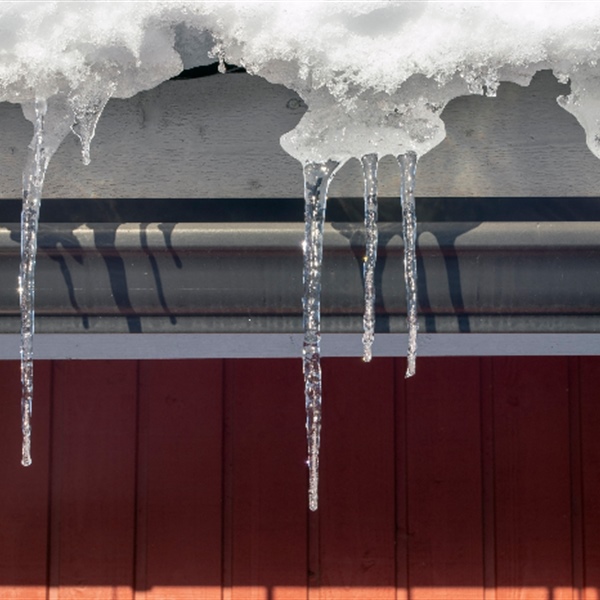
In Minnesota, winters are harsh, and one of the most common problems homeowners face during the colder months is the formation of ice dams. These buildups of ice along the edges of roofs can cause significant damage to your home, from water leaks to structural issues.
Understanding what causes ice dams and how you can prevent them is essential to maintaining your roof’s integrity during freezing temperatures. Ice dams form when heat from your attic causes snow on your roof to melt. The water then runs down the roof and refreezes when it reaches the eaves, creating a barrier of ice.
This article will explore key strategies for preventing ice dams, including proper insulation, ventilation, roofing materials, and the role of gutters. We will also discuss how professional roof inspections can identify early signs of ice dam risks, helping you take proactive steps. By addressing each of these aspects, you can better protect your roof and home throughout Minnesota’s harsh winters!
What Causes Ice Dams to Form on Roofs?
Ice dams occur when the combination of heat from the attic and snow accumulation on the roof causes the snow to melt at the roof's peak. The melted water then flows down the roof until it reaches the colder eaves, where it refreezes, creating a barrier of ice. This ice buildup traps additional melting water, which can leak into your home, causing significant damage. The primary cause of this problem is the difference in temperature between the attic and the exterior roof. If the attic is poorly insulated or ventilated, heat from the home escapes, melting the snow on the roof.
The underlying issue is how heat escapes through the attic, causing a thawing and freezing cycle. Without proper insulation or ventilation, warm air from your living spaces moves into the attic, melting the snow. The water then moves down the slope of the roof, freezing again at the roof's edge. Repeated melting and refreezing cycles create ice dams, which can lead to roof damage, leaks, and even mold growth in your attic. Understanding this process is key to preventing ice dams.
How Does Proper Attic Insulation and Ventilation Help in Preventing Ice Dams?
Proper attic insulation and ventilation play a critical role in preventing ice dams by ensuring that heat does not escape into the attic and melt snow on the roof. Insulation helps to keep the warm air inside your home, while proper ventilation allows cold air to circulate through the attic. This helps maintain a consistent temperature across the roof, preventing the melting and refreezing cycle that leads to ice dams.
Without sufficient insulation, heat from the house rises into the attic, warming the roof and causing snow to melt prematurely. As the water moves down the roof and refreezes at the eaves, ice dams form. Good insulation prevents this heat transfer by providing a barrier between the attic and the living spaces below. Ventilation, on the other hand, allows cold air to flow through the attic, keeping the roof temperature uniform and preventing melting. It also helps to reduce moisture buildup in the attic, which can further contribute to ice dam formation.
Are There Specific Roofing Materials That Minimize Ice Dam Formation?
Certain roofing materials can help minimize the likelihood of ice dam formation. For example, metal roofs with steep slopes shed snow quickly, reducing the chance of ice accumulation. Since snow and ice slide off metal roofs more easily than other materials, the chance of water refreezing at the edges is minimized.
Some roofing materials are also designed to resist water infiltration. Synthetic underlayment, for example, offers extra protection against water leaks that can result from ice dams. Asphalt shingles, while commonly used, can also be treated with ice-and-water shields to protect the roof from water infiltration in areas prone to ice dam formation. These barriers prevent water from penetrating the roof even when ice dams do form, offering extra protection for your home.
What Role Do Gutters Play in Ice Dam Prevention?
Gutters play a crucial role in preventing ice dams by helping to manage the flow of water off your roof. When gutters are clogged with debris or ice, they prevent melted snow from draining properly. As a result, the water can back up onto the roof, contributing to the formation of ice dams. Well-maintained gutters allow melted snow to flow away from the roof, reducing the risk of ice dam buildup.
To minimize ice dams, homeowners should ensure that their gutters are clear of debris and ice during the winter months. Installing gutter guards can help reduce debris buildup, while regular cleaning ensures that the gutters can effectively handle the flow of water. Heated gutter systems are also available to prevent ice from accumulating in the gutters themselves, allowing water to flow freely off the roof and reducing the risk of ice dams.
How Can Professional Roof Inspections Identify and Mitigate Ice Dam Risks?
Professional roof inspections are an essential step in identifying and mitigating ice dam risks. During an inspection, roofing experts assess the insulation, ventilation, and condition of the roof to identify areas that may be vulnerable to ice dam formation. If an inspector notices inadequate insulation, poor ventilation, or other issues that could contribute to ice dams, they can recommend corrective actions to prevent future damage.
A thorough inspection can also help identify early signs of ice dam damage, such as leaks or water stains inside the home. Addressing these issues early can prevent more severe damage down the road, such as mold growth or structural weakening. Regular inspections by a professional roofing company can help homeowners stay proactive in protecting their roofs and homes from the effects of harsh Minnesota winters.
How Allied Construction Can Help You Prevent Ice Dams
At Allied Construction, we understand the challenges that come with Minnesota winters and the potential damage ice dams can cause to your roof. With our expertise in roofing, insulation, and ventilation, we can help you address the root causes of ice dams and ensure your home stays protected throughout the season. Our team is skilled in providing professional inspections and offering practical solutions for improving roof systems, insulation, and gutters.
If you're worried about ice dams affecting your roof, contact Allied Construction for a professional inspection. We offer comprehensive roofing services designed to help homeowners prevent and mitigate the risk of ice dams, ensuring your home remains safe and dry during even the harshest winters. Contact us today for more information or to schedule an inspection. Our experts are ready to assist you with all your roofing needs!