How Can a Homeowner Tell if Siding or Gutters Were Damaged by a Storm?
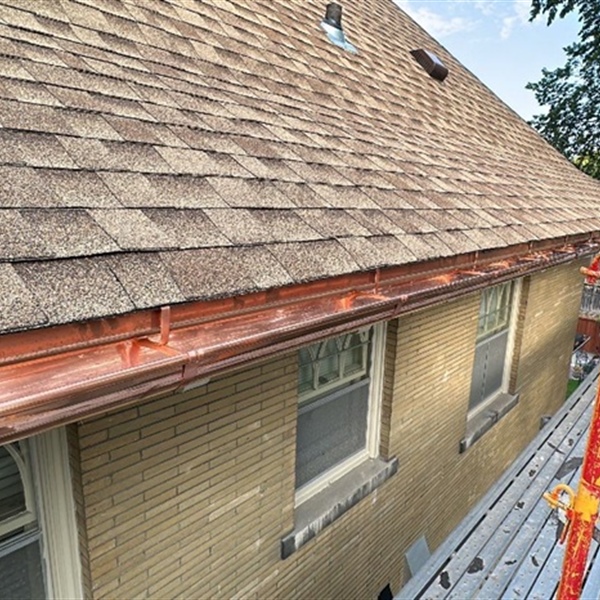
After a major storm, it can be difficult for homeowners to identify whether their siding or gutters have suffered damage. Severe weather events, such as hail, wind, or heavy rain, often leave behind subtle signs that are easy to miss without careful inspection.
Understanding how to recognize these signs early helps prevent further structural deterioration and costly repairs. Allied Construction provides insight into what homeowners should look for to determine if their property has been impacted by storm-related issues.
This article covers five key areas: visible siding damage, how storms affect gutter systems, when minor issues become structural, how damage can cause leaks or structural weaknesses, and the role of water infiltration in identifying hidden issues. By understanding each of these aspects, homeowners can assess storm damage accurately and take the right steps to protect their home’s integrity!
Recognizing Visual Signs of Siding Damage After a Storm
Visible damage to siding often includes cracks, dents, punctures, or warping caused by hail or flying debris. Cracked panels may appear small, but they compromise the protective barrier of the home, allowing moisture to penetrate the wall cavity. Dents in aluminum or steel siding often show as shallow impressions that can reduce curb appeal and indicate more serious impact zones beneath the surface.
Vinyl siding can show signs of storm stress through splits or chips, especially near panel edges and seams. If you notice panels separating from the house, that often indicates strong wind uplift or fastening failure. Even subtle irregularities, such as uneven panel alignment or loosened trim, may suggest the siding has shifted due to wind pressure or vibration from debris impact.
Homeowners should inspect siding surfaces under different lighting conditions, as dents and cracks can become more visible when the sun hits the material at an angle. Using a flashlight during inspection helps reveal fractures that may not be immediately visible.
How Hail, Wind, and Debris Affect Gutter Alignment and Structure
Storms frequently compromise gutter systems, especially when hail or debris strikes aluminum channels with force. Hail can create dimples, dents, or punctures in the gutter trough, impeding proper water flow. Wind-driven debris, such as branches or loose roofing material, can loosen hangers or pull sections away from the fascia. Misalignment often becomes visible where gutters sag or separate at joints, preventing efficient drainage.
When gutters detach or warp, they no longer maintain the correct slope for water to drain toward downspouts. Pooling water within these systems increases the risk of overflow that can saturate siding, foundation, and landscaping. Wind gusts exceeding 50 mph can twist or bend gutter sections, leaving gaps between joints that allow leakage during rainfall. Regular inspection after each storm helps detect these issues early.
Heavy debris accumulation from trees or roof runoff also adds significant weight to gutters. This stress can pull nails or screws loose, resulting in partial detachment or collapse. Any visible bending or sagging should be considered structural damage requiring prompt attention to prevent long-term issues with roof drainage and exterior wall integrity related to gutters.
When Minor Damage Becomes Structural or Warrants Full Replacement
Minor damage to siding or gutters can quickly become structural if left untreated. Small cracks in siding panels may permit moisture intrusion, leading to insulation degradation and rot within the wall assembly. Over time, these areas can warp or bulge, indicating that water has compromised the substrate. Similarly, slightly misaligned gutters can cause chronic overflow that undermines the foundation or erodes the soil near the home.
Homeowners should treat any recurring leaks, moisture stains, or peeling paint near siding edges as signs that initial damage has escalated. Gutters showing repeated sagging after adjustment may have weakened fasteners or rotted fascia boards, both of which compromise load-bearing strength. In these cases, full system replacement becomes more cost-effective than repeated patchwork repairs.
Storms with hail greater than one inch or winds above 60 mph often cause unseen stress fractures that spread with seasonal expansion and contraction. When multiple siding panels or gutter segments exhibit damage at multiple locations, it typically indicates structural compromise. In such scenarios, complete replacement is the safest and most durable option to restore full weather protection.
Can Damage to Siding or Gutters Lead to Leaks or Structural Issues?
Yes. Damage to siding and gutters is directly linked to water leaks and subsequent structural issues. Once the protective exterior barrier is breached, water infiltrates behind siding or along the roofline. Even small cracks allow capillary action to draw water into wall cavities, promoting mold growth and wood decay. Over time, moisture migration can weaken framing members and insulation.
Damaged gutters often redirect water toward rather than away from the structure. Overflowing water can saturate siding seams, window trim, and foundation walls. This continuous exposure accelerates the deterioration of building materials and encourages basement seepage or crawlspace moisture buildup. Water infiltration through compromised siding joints frequently manifests as interior wall discoloration or bubbling paint.
Structural engineers often find that localized siding or gutter damage can compromise load-bearing walls if neglected. The combination of water exposure and freeze-thaw cycles in Minnesota climates expands cracks and weakens attachment points. Early detection and accurate documentation of exterior damage remain critical for long-term structural health.
The Role of Water Infiltration in Identifying Hidden Damage
Water infiltration is one of the most reliable indicators of hidden storm damage. Moisture often travels along framing or sheathing before appearing inside the home, making surface-level inspections insufficient. Stains on ceilings, window casings, or near the foundation may trace back to siding or gutter damage not visible from the ground. Using moisture meters or infrared imaging helps locate damp areas behind siding panels.
Persistent dampness along exterior walls usually signals a breach in the protective layers caused by impact or misaligned components. Water that infiltrates through damaged siding can also compromise insulation, reducing energy efficiency. In gutter systems, hidden leaks inside joints may allow continuous dripping onto fascia boards, leading to rot and insect infestation.
Regular inspections after storms help homeowners detect water pathways early. Moisture testing combined with a detailed visual review identifies both visible and concealed structural issues. For long-term home protection, homeowners should address the root cause of infiltration rather than cosmetic symptoms by scheduling a detailed assessment with Allied Construction.
Protecting Your Home With Expert Storm Damage Assessment
Allied Construction provides professional storm damage inspection and restoration services across Minnesota. Our company specializes in roofing, siding, and gutter replacement after severe weather events, evaluating visible and hidden damage using precision tools to determine whether repair or full replacement is warranted.
For those who suspect storm damage to their siding or gutters, prompt inspection can help mitigate water intrusion and structural compromise. Reach out to our experts today for expert inspection and restoration by calling 952-737-8496 or contacting us online!