How Does a Complete Roofing System Protect a Home From Water and Weather Damage?
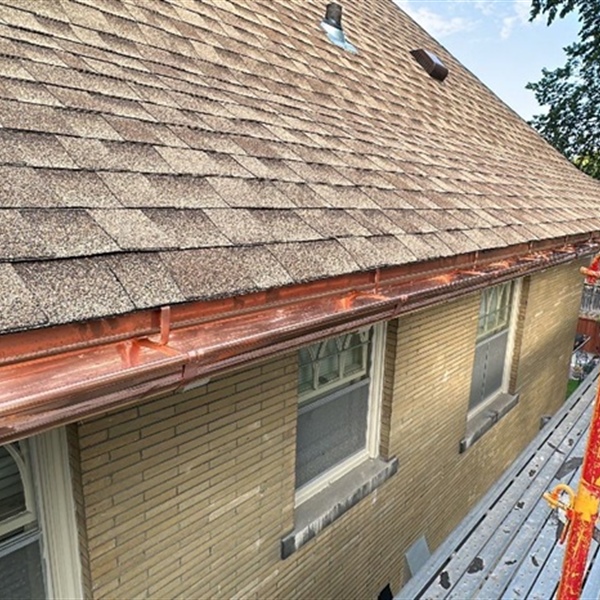
A complete roofing system does far more than simply cover a home—it acts as a multi-layered defense designed to manage water, withstand extreme weather, and protect the structural integrity of the property over time. From heavy rain and snow to high winds and temperature swings, every component of a roof works together to prevent moisture intrusion and long-term damage. Allied Construction and Roofing understands that each layer of a roofing system plays a specific role, forming a continuous barrier that keeps homes dry, stable, and protected in all seasons.
Understanding how these components function together can help homeowners recognize the importance of proper installation and maintenance. Key elements such as durable outer materials, protective underlayment, precision flashing, controlled ventilation, and effective drainage systems all contribute to a roof’s performance. Whether exploring how roofing materials shed water or how ventilation prevents hidden moisture buildup, each part of the system serves a purpose. The following sections break down these critical components, explaining how they collectively guard against water and weather damage while extending the life of the home.
Roof Covering Materials as the First Line of Defense Against Water and Weather
Roof covering materials serve as the outermost protective layer, directly exposed to environmental conditions such as rain, snow, wind, and ultraviolet radiation. Materials like asphalt shingles, metal panels, and composite systems are engineered to shed water efficiently while resisting physical degradation. Asphalt shingles, for example, rely on overlapping installation patterns and granule coatings to deflect water and protect against UV breakdown. Metal roofing systems use interlocking panels and protective coatings to prevent corrosion and withstand wind uplift.
The effectiveness of these materials depends on both their physical properties and proper installation. Wind resistance ratings, impact resistance classifications, and thermal expansion characteristics all influence how well a roof performs under stress. When installed correctly, these materials create a continuous surface that channels water downward toward drainage systems without allowing infiltration. Any gaps, misalignment, or damage can compromise this outer barrier and expose underlying layers to moisture.
In climates with freeze-thaw cycles and heavy precipitation, material performance becomes even more critical. Snow accumulation, ice formation, and thermal movement can place stress on roofing systems. Understanding how different materials respond to these conditions helps explain why a well-designed roofing system is essential for long-term protection against water intrusion and weather-related damage.
How Underlayment and Moisture Barriers Prevent Water Intrusion
Beneath the visible roofing material lies the underlayment, a critical secondary defense against water infiltration. This layer is typically composed of asphalt-saturated felt or synthetic materials designed to repel water while allowing limited vapor permeability. Underlayment acts as a safeguard when the outer roofing material is compromised, whether due to wind damage, aging, or impact from debris.
Ice-and-water shields provide an additional level of protection in vulnerable areas such as eaves, valleys, and roof penetrations. These self-adhering membranes create a watertight seal around fasteners and seams, preventing water from seeping into the roof deck. This is especially important in regions where ice dams can form, forcing water beneath shingles and into structural components.
Moisture barriers also play a role in managing long-term exposure to environmental conditions. By preventing water from reaching the roof deck, they reduce the risk of rot, mold growth, and structural weakening. These systems are often evaluated after severe weather events involving storm damage, where compromised outer layers can expose the underlying structure to moisture.
Flashing and Sealing Techniques That Protect Vulnerable Roof Areas
Flashing is a specialized component designed to protect the most vulnerable points on a roof—areas where different surfaces meet or where penetrations occur. These include chimneys, skylights, vents, and roof valleys. Flashing is typically made from corrosion-resistant materials such as aluminum, steel, or copper and is installed to direct water away from seams and joints.
The effectiveness of flashing depends on precise installation and proper integration with surrounding materials. Step flashing, counter flashing, and continuous flashing systems are used in different scenarios to ensure water is diverted safely. Sealants are often applied in conjunction with flashing to reinforce these transitions, but the primary protection comes from the mechanical design that channels water away from potential entry points.
Improper flashing installation is one of the most common causes of roof leaks. Even small gaps or misaligned sections can allow water to penetrate over time. By directing water away from critical intersections, flashing serves as a targeted defense mechanism that complements the broader protective layers of the roofing system.
Ventilation and Insulation Systems That Control Moisture and Temperature
Attic ventilation and insulation are essential for regulating temperature and controlling moisture within a roofing system. Proper ventilation allows air to circulate through intake and exhaust vents, reducing heat buildup in warmer months and minimizing condensation during colder periods. Without adequate airflow, trapped moisture can accumulate and lead to mold growth, wood rot, and deterioration of roofing materials.
Insulation works in tandem with ventilation by maintaining consistent indoor temperatures and reducing heat transfer. When insulation is properly installed, it prevents warm air from escaping into the attic, which can otherwise contribute to ice dam formation. Ice dams occur when melting snow refreezes at the roof edge, trapping water that can seep beneath shingles and into the structure.
Moisture control is not limited to external weather exposure; it also involves managing internal humidity levels. A balanced system of ventilation and insulation helps prevent condensation from forming on the underside of the roof deck. This reduces long-term damage and preserves the integrity of both structural and finishing materials within the home.
Gutters and Downspouts: Directing Water Away from the Home
Drainage systems, including gutters and downspouts, play a critical role in managing water once it reaches the roof’s edge. These components are designed to collect runoff and channel it safely away from the home’s foundation. Without proper drainage, water can pool near the structure, leading to soil erosion, basement flooding, and foundation instability.
Gutters must be properly sized, sloped, and maintained to function effectively. Debris such as leaves and dirt can obstruct water flow, causing overflow that may damage siding, fascia, and soffits. Downspouts extend the drainage system by directing water several feet away from the home, reducing the risk of saturation around the foundation.
The integration of drainage systems with the overall roofing structure is essential for complete water management. A well-designed system ensures that water moves efficiently from the roof surface to a safe discharge point. For more information about system integration and performance, resources available through Allied Construction and Roofing provide additional insight into how these components function together.
Protect Your Home with a Complete Roofing System
A complete roofing system is only effective when every component works together seamlessly. From durable outer materials and protective underlayment to precise flashing, balanced ventilation, and efficient drainage systems, each layer plays a role in preventing water intrusion and weather-related damage. Allied Construction and Roofing applies this comprehensive approach to every project, ensuring that homes are protected against the challenges of Minnesota’s climate.
With a focus on proper installation, material performance, and long-term durability, Allied Construction and Roofing helps homeowners address each aspect of their roofing system. Whether evaluating storm-related damage, improving ventilation, or upgrading drainage systems, their team provides solutions based on proven construction practices and detailed system integration.
To learn more or schedule an inspection, contact Allied Construction and Roofing at 952-737-8496. You can also reach out directly through their website by visiting their contact us page to get started.