How Should Homeowners Prepare for Hail Season (or Severe Weather) in Storm-Prone Regions?
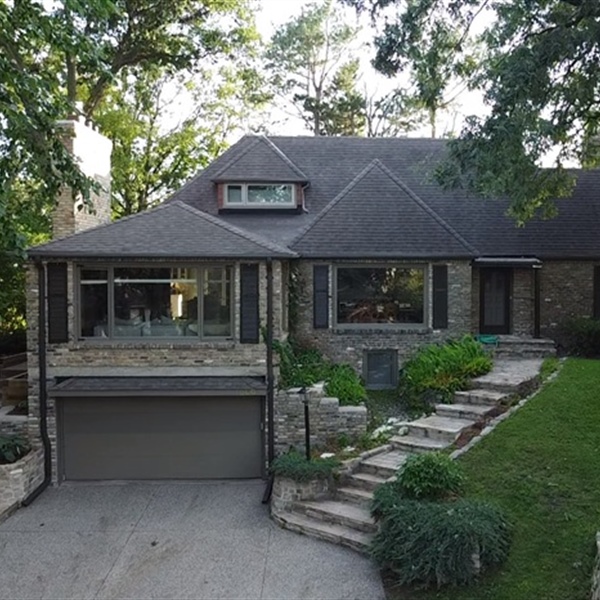
In regions where hail and severe weather are common, homeowners face ongoing risks to their roofs, siding, and structural integrity. Storms can develop quickly, leaving little time for last-minute preparations.
Proactive planning, maintenance, and attention to building details are crucial to reducing costly damage. Allied Construction understands how unpredictable Minnesota weather can be and the importance of preparation for long-term protection. Homeowners who plan ahead are much more likely to avoid serious storm damage and expensive insurance claims.
This guide explains how homeowners can prepare for hail season and other severe weather conditions. It focuses on practical, evidence-based steps for inspection, reinforcement, and preventive care, with each topic providing in-depth insights designed to help homeowners strengthen their properties against nature’s toughest challenges.
To learn how effective preparation minimizes damage and protects against hail damage, continue reading below!
Preventive Inspections and Maintenance Steps That Reduce Risk
Routine inspections are the foundation of hail and storm preparedness. Homeowners should examine their roofs, gutters, and siding at least twice yearly, ideally in early spring and late fall. Inspections should identify early signs of deterioration, such as cracked shingles, loose flashing, or corroded fasteners.
Proper attic ventilation and insulation also reduce the chance of moisture buildup, which can weaken roofing structures over time. Regularly cleaning gutters and removing debris from downspouts prevents water from pooling near the foundation, which can lead to erosion or basement leaks.
Professional roofing assessments provide deeper insight into hidden issues. Experienced contractors use drones or infrared imaging to locate trapped moisture or subtle leaks before they spread. This technology allows homeowners to address small problems early, avoiding extensive repairs later. Allied Construction’s inspection processes align with these preventive principles, emphasizing documentation and consistent upkeep.
By combining homeowner diligence with professional evaluations, the risk of storm-related damage drops dramatically. Annual maintenance helps ensure that every component performs as designed during severe weather.
Reinforcing Weak Spots: Roof Edges, Flashing, and Vents
Roof edges, flashing, and vents are among the most vulnerable areas during hail or wind-driven storms. Strong gusts can lift poorly secured shingles or peel away flashing, exposing the roof deck to water infiltration.
Reinforcing these elements with high-grade sealants and impact-resistant materials helps prevent storm entry points. Edge metal should be tightly fastened and overlap the underlayment adequately to form a watertight barrier. Vents and skylight perimeters benefit from additional waterproof membranes to prevent driven rain leaks.
Contractors often recommend Class 4 impact-resistant shingles for homes in storm-prone regions. These shingles are tested under UL 2218 standards and can withstand hailstones without fracturing. Proper fastening techniques, such as using ring-shank nails, further increase durability. By upgrading small but critical details like vent boots and flashing systems, homeowners can extend their roof’s lifespan and improve resistance to high winds and hail.
Protective Trim, Gutter Guards, and Exterior Coverings
Exterior trim, fascia, and gutter systems play a crucial role in channeling water away from the structure. Modern materials such as PVC-coated aluminum and composite trim boards are engineered to resist impact and moisture. Gutter guards prevent debris from blocking gutters, reducing overflow during heavy rain or hail. Properly installed guards also stop hail from denting the inner sections of gutters, extending system life and performance.
Protective coverings, including storm-rated siding or reinforced soffit panels, provide another layer of defense. Vinyl siding designed for high-impact resistance or fiber cement panels can resist cracking when struck by hail. For homeowners in hail-prone areas, installing reinforced window screens and shutters provides additional protection against airborne debris.
When these components are properly installed and maintained, they create a continuous exterior shield. Effective trim and gutter protection are small upgrades that significantly improve a home’s overall resilience against the elements.
How Building Codes and Local Requirements Influence Storm Resiliency
Building codes play a critical role in defining structural durability across storm-prone regions. Local authorities often adopt standards that require specific fastening patterns, underlayment thicknesses, or shingle ratings for roof installations. These codes ensure that new and renovated structures can withstand expected wind speeds and hail impacts typical to their area. Compliance not only ensures safety but may also qualify homeowners for insurance discounts or rebates.
In Minnesota, building codes mandate specific design load requirements for snow and wind, but they also influence roofing attachment and flashing standards. Following these codes is vital for long-term performance. Homeowners planning major repairs or replacements should verify that their contractors follow both state and local guidelines to guarantee lasting protection.
Codes evolve based on updated storm data, meaning older homes might not meet current standards. Evaluating and upgrading to code-compliant systems provides measurable improvements in storm resilience and structural integrity.
When to Upgrade Materials or Systems Proactively
Upgrading before damage occurs is one of the most effective ways to minimize financial loss and improve home protection. Homeowners should consider replacing materials that are near the end of their service life, especially in areas with recurring severe weather. Aging asphalt shingles, outdated flashing, and older gutter systems often fail under pressure from hail or high winds. Switching to impact-resistant roofing or reinforced siding materials greatly reduces vulnerability.
Advances in material science have introduced more resilient options, including polymer-modified asphalt shingles, steel roofing, and hail-resistant coatings. Upgrading attic insulation, ridge ventilation, and underlayment systems can also help regulate temperature and prevent structural stress during weather changes. Proactive upgrades create a layered defense that protects both the home’s exterior and internal framework.
Protect Your Home With Allied Construction
Storm readiness requires a blend of inspection, reinforcement, and material upgrades. At Allied Construction and Roofing, we provide professional expertise in identifying structural weaknesses, improving storm resistance, and performing quality roof and siding restoration.
By staying prepared, homeowners can protect their investments and maintain peace of mind during hail season. For comprehensive support, reach out to Allied Construction at 952-737-8496, or to schedule a consultation, contact us online today!