What Are the Advantages of Hiring a Full-Service Exterior Restoration Contractor vs. Multiple Trades?
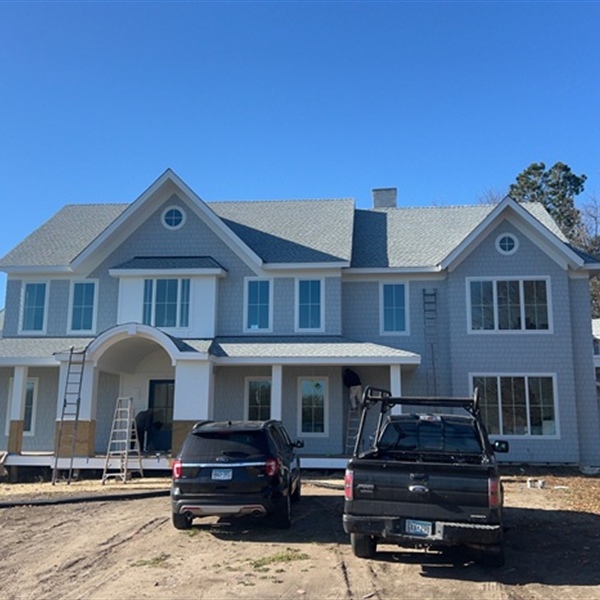
When property owners face storm damage or large-scale exterior restoration projects, one of the biggest decisions is whether to hire a single full-service contractor or to coordinate multiple trades. The difference impacts every aspect of the project, from scheduling and accountability to warranty protection and long-term results. Understanding these differences can save time, reduce costs, and improve outcomes.
Working with a single contractor who manages all aspects of roofing, siding, windows, and gutters creates a cohesive project flow and eliminates the need for homeowners to coordinate with independent trades. Below, we’ll examine five key areas that highlight the advantages of choosing a unified contractor model: coordination and scheduling, insurance negotiations, risks of fragmented trades, warranty consistency, and overall quality control.
1. Coordination, Scheduling, and Oversight in a Unified Contractor Model
When one full-service exterior restoration contractor oversees a project, every phase — inspection, material selection, scheduling, and installation — is managed through a single command structure. This eliminates conflicts between roofing, siding, and window crews, ensuring resources and timelines align. Coordinated scheduling prevents job-site overlap, reduces downtime, and limits weather-related delays. Unified oversight also ensures that project managers maintain clear communication with the client and crews at all times.
In contrast, projects managed through multiple trades often encounter overlapping scopes and inconsistent timelines. Independent contractors may have conflicting availability, leading to stalled work and extended completion times. Without a central project manager, quality assurance checks can be missed or delayed. A single contractor integrates production schedules, inspection checkpoints, and cleanup, ensuring a seamless process from start to finish.
At Allied Construction, this streamlined coordination model emphasizes consistent communication and accountability. The project manager monitors every trade’s work and confirms that each system — roofing, siding, or windows — is installed in sequence and to code. This comprehensive approach minimizes disruption and delivers predictable timelines with professional oversight throughout the project lifecycle.
2. Insurance Negotiation and Multi-System Coordination
Storm restoration projects often involve multiple building systems affected by a single weather event. A full-service contractor can handle the insurance claim process holistically, ensuring that all impacted areas are evaluated within one scope of loss. This avoids the risk of partial approvals or missing damage assessments. When multiple trades operate independently, each may submit separate estimates, causing inconsistencies that complicate insurance negotiations.
Full-service contractors understand how to document storm-related damage comprehensively and communicate with insurance adjusters effectively. They can identify interrelated system issues — such as flashing failures impacting both roofing and siding — that independent trades may overlook. Centralized management allows for accurate documentation, consistent pricing, and smoother claim resolution.
This unified insurance coordination approach, exemplified by Allied Construction, ensures that homeowners receive complete restoration coverage without administrative complexity. The ability to manage multi-system claims as a single project produces faster settlements and comprehensive restoration outcomes aligned with insurer requirements.
3. Risks of Fragmented Trades Working Independently
When multiple contractors are engaged for a single property restoration, gaps in communication and accountability often emerge. Roofing crews may complete their portion without coordinating with siding installers, leading to improperly sealed transitions or mismatched materials.
Such fragmentation increases the risk of water infiltration, warranty conflicts, and scheduling disputes. Without a unified project lead, no single party holds responsibility for overall project performance.
Independent trades also operate under separate contracts, creating liability confusion. If a leak occurs where roofing meets siding, each contractor might blame the other, delaying resolution. These conflicts can result in additional repair costs and diminished confidence in workmanship. The absence of integrated project documentation compounds this risk, as each trade may use different material sources, warranties, and installation standards.
In contrast, a full-service contractor provides a single point of responsibility. Comprehensive oversight ensures that details such as flashing integration, weatherproofing continuity, and ventilation alignment are executed consistently. This approach produces not only better technical performance but also long-term building integrity through cohesive craftsmanship.
4. Warranty Coverage in Unified vs. Separate Contracts
Warranty protection varies greatly between single-contractor and multi-trade projects. A full-service exterior restoration contractor typically issues an umbrella warranty covering all completed systems. This guarantees that any defect, whether in roofing, siding, or windows, is addressed under one agreement. It simplifies service requests and ensures the warranty terms align across all components.
Fragmented projects, however, result in multiple warranties from different trades and manufacturers. Each may have separate limitations and claim procedures. If issues arise in areas where trades intersect, the homeowner can be caught between competing warranty conditions. For example, a siding issue that stems from improper roof flashing may not be covered by either trade’s warranty, leaving the homeowner unprotected.
A unified warranty structure provides long-term confidence and clarity. It guarantees that workmanship and materials are covered comprehensively, with one entity maintaining responsibility for service response. This continuity offers measurable value for property owners seeking both protection and simplicity in project management.
5. Quality Control, Cleanup, and Accountability in a Single Contractor Model
Quality control begins with consistent standards applied across all trades. In a single-contractor model, site supervisors monitor installation techniques, material performance, and adherence to safety protocols. Every crew operates under the same guidelines and expectations, ensuring cohesive workmanship. Post-installation inspections are conducted by a single quality assurance team to verify that all systems function properly together.
Cleanup and waste removal also benefit from unified oversight. Rather than multiple crews leaving separate debris piles or incomplete site cleanup, a full-service contractor coordinates the process to maintain safety and property appearance. This reduces hazards and improves the client experience throughout the project duration.
Accountability is the cornerstone of a single-contractor approach. When one company manages all trades, communication lines remain direct and efficient. Any concerns are addressed through a single point of contact, reducing delays and eliminating confusion. Homeowners working with Allied Construction experience streamlined project closure, organized cleanup, and verified quality control from start to finish.
Comprehensive Restoration Solutions from Allied Construction
Large-scale exterior restoration requires coordination, expertise, and trust. Allied Construction integrates all aspects of roofing, siding, window, and gutter restoration into one seamless process. From insurance negotiation to final cleanup, every step is managed under a single warranty and point of accountability.
For property owners seeking professional, full-service restoration, call Allied Construction at 952-737-8496 or contact us online to start your project or request an inspection.