What Should Homeowners Do Immediately After Storm Damage to Their Roof?
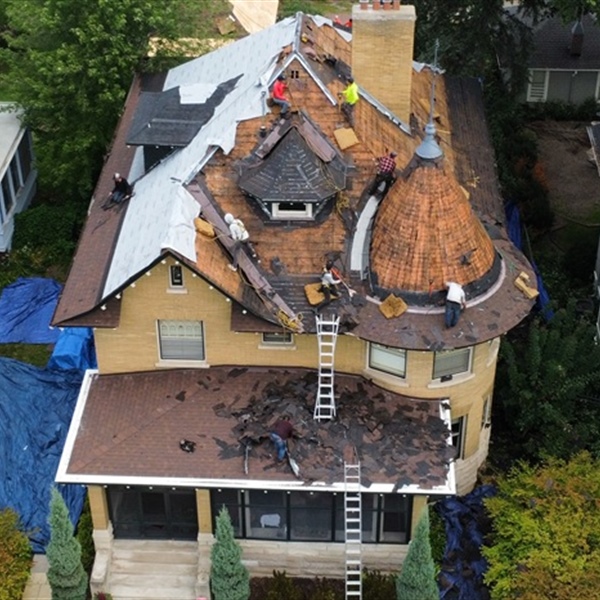
Severe weather can strike without warning, leaving homeowners uncertain about the condition of their roofs and what to do next. Roofs bear the brunt of storms, as hail, wind, and heavy rain can cause leaks, torn shingles, or hidden structural issues.
Understanding the right steps to take immediately after storm damage helps prevent further harm and sets the stage for efficient repairs and insurance claims. Fortunately, Allied Construction is here to provide expert insight to help homeowners respond with confidence when their homes are affected by storm damage.
This guide addresses five key actions every homeowner should understand: how to safely inspect roofing damage, what to document for insurance, when temporary coverings are appropriate, how quickly to contact restoration professionals, and the most common mistakes people make during the aftermath. By following these steps, homeowners can protect their property, minimize costs, and prepare effectively for restoration work!
How to Safely Inspect Roofing Damage After a Storm
Safety is the first priority when evaluating a roof after a storm. Homeowners should begin by inspecting the ground-level perimeter of their home for fallen shingles, metal pieces, or other debris that may signal roof damage.
Always avoid climbing on the roof; instead, use binoculars or a camera with a zoom lens to observe potential issues such as curled shingles, dented flashing, or exposed underlayment. Professionals recommend assessing from multiple vantage points while ensuring no electrical hazards or unstable surfaces are nearby.
Interior inspections are equally critical. Signs like water stains on ceilings, wet insulation in attics, or mold development can indicate roof breaches. These internal checks help identify hidden problems not visible from the outside. Documentation of both exterior and interior indicators provides a comprehensive overview of storm effects.
Homeowners in Minnesota often experience hail and wind damage that requires specialized attention. By noting impact patterns or missing shingle areas early, further deterioration can be avoided before professional assessments. If you suspect major storm damage, prioritize safety by staying off the roof until an expert inspection is scheduled.
What Photos or Documentation Should You Gather for Insurance?
Insurance carriers rely heavily on visual and written documentation to validate storm-related claims. Begin by capturing timestamped photos of all affected areas, including the roof, siding, gutters, and interior spaces. Take wide-angle shots for context and close-ups to highlight detailed damage. Ensure photos are taken in natural light when possible to improve visibility and accuracy.
Complement photos with detailed notes describing the type of damage, date of the storm, and any temporary actions taken to prevent further harm. Keeping a log of communications with your insurance provider and restoration contractors helps establish a clear record throughout the claim process. Maintain copies of repair estimates, receipts, and correspondence to expedite claim reviews.
Accurate documentation supports fair settlements and avoids delays. Many restoration experts recommend organizing images and documents by category — roofing, interior, and exterior. For major roofing claims, professional assessments with damage reports are often required to substantiate the extent of loss.
When Is It Appropriate to Use Tarps or Temporary Covers?
Temporary coverings play a key role in preventing further water intrusion while waiting for professional repairs. Tarps should only be installed when it is safe to do so and weather conditions permit. They should cover the damaged area completely and be securely fastened without creating gaps that allow moisture penetration. Improperly placed tarps can cause additional problems by trapping moisture beneath or pulling away during wind gusts.
In cases where significant leaks occur, temporary coverings help stabilize the structure and protect interior assets. However, they should not serve as long-term solutions. Material integrity degrades under sunlight and wind exposure, so homeowners should schedule permanent repairs as soon as conditions allow.
Inspect tarped areas regularly for shifting or water pooling. Always document the condition and installation date of temporary covers to support future claims and repair timelines. Proper use of these coverings reduces the risk of secondary damage while professional services are being arranged.
How Soon Should You Call a Restoration Contractor?
Contacting a restoration contractor promptly after a storm is critical to prevent compounding issues. Moisture can infiltrate roof systems within hours, leading to insulation damage, mold, or structural compromise. Many insurance policies require homeowners to take immediate action to mitigate losses, making early professional involvement essential.
Qualified contractors use diagnostic tools such as moisture meters, drones, and infrared imaging to assess hidden damage and accurately estimate repair needs. Scheduling an inspection early also helps homeowners avoid the rush that follows regional storm events, where appointment delays are common.
Experienced restoration professionals coordinate with insurers to provide accurate damage reports and streamline the claims process. In cities like Wayzata, rapid response ensures that damaged roofs are stabilized quickly before weather fluctuations worsen conditions.
What Are Common Mistakes Homeowners Make Right After Storm Damage?
One of the most frequent errors homeowners make is attempting DIY repairs without understanding roof safety protocols or warranty conditions. Climbing onto wet or unstable surfaces can lead to injury or further damage. Another common issue is neglecting to document early evidence, leaving gaps in the insurance record that complicate claim approval.
Some homeowners also delay calling professionals, assuming visible damage represents the full extent of the issue. Hidden leaks and compromised flashing often go unnoticed until more costly repairs arise. Hiring unverified or door-to-door contractors can introduce the risk of poor workmanship or fraudulent practices. Always confirm credentials, licenses, and insurance before authorizing any work.
Establishing a clear response plan and working with reputable local experts like Allied Construction ensures that inspections, documentation, and repairs follow industry standards. Prompt, evidence-based actions prevent complications and safeguard both the structure and the insurance claim.
Protecting Your Home with Professional Restoration
When severe weather damages your roof, timely and informed action protects your property and investment. Allied Construction has extensive experience assisting Minnesota homeowners through every phase of storm recovery, from inspection and documentation to restoration. Our team provides transparent communication and proven solutions for both residential and commercial properties.
For expert evaluation or immediate repair assistance, call 952-737-8496 or contact us online. With proper documentation, safe inspection, and professional support, homeowners can restore their roofs quickly and confidently after storm damage!