How Do Commercial Roofing Systems Differ From Residential Roofing Systems?
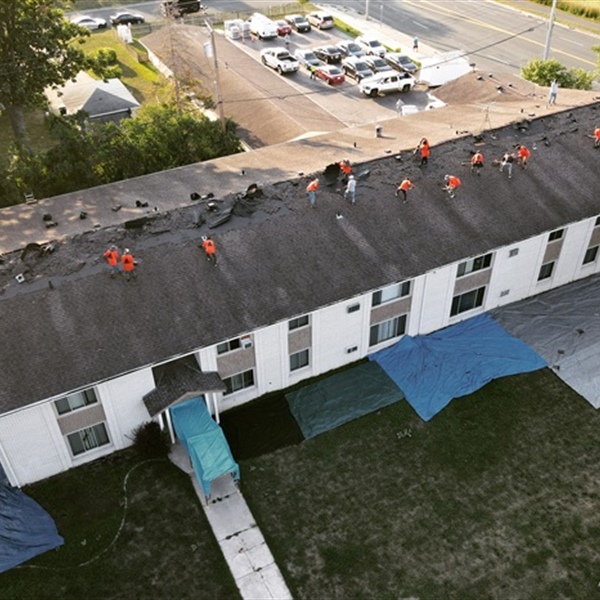
Roofing systems are engineered differently depending on the structure they protect, and the distinction between commercial and residential roofing goes far beyond appearance. Commercial buildings often require large-span, low-slope or flat roof systems designed to support heavy equipment, manage drainage efficiently, and withstand consistent exposure across expansive surfaces. Residential roofs, by contrast, are typically steep-sloped, built for water shedding, and optimized for aesthetics alongside protection. Understanding how these systems differ is critical for property owners evaluating performance, longevity, and structural demands. Companies like Allied Construction approach these differences with a focus on durability, function, and long-term reliability.
Several factors define how commercial and residential roofing systems diverge, including structural design, material selection, drainage engineering, and maintenance expectations. For example, commercial roofing systems often rely on membranes and layered assemblies, while residential roofs commonly use shingles or tiles. In the sections that follow, we’ll examine the structural differences between these systems, the materials used in flat commercial roofing, how drainage is engineered, the unique maintenance requirements involved, and how often professional inspections should occur to preserve system integrity.
Structural Differences Between Commercial and Residential Roofing Systems
Commercial and residential roofing systems differ fundamentally in their structural design due to the scale, purpose, and load requirements of the buildings they protect. Commercial roofs are typically low-slope or completely flat, designed to cover large surface areas efficiently while supporting mechanical equipment such as HVAC units, solar arrays, and ventilation systems. These structures must distribute weight evenly and maintain structural integrity under constant load, which requires engineered support systems and reinforced decking materials.
Residential roofs, on the other hand, are generally steep-sloped and built using truss or rafter systems. These designs prioritize water shedding, snow management, and aesthetic appeal. The slope allows gravity to move water quickly off the surface, reducing the need for complex drainage systems. Structural loads in residential settings are typically lighter and more predictable, allowing for simpler framing systems compared to commercial buildings.
Another key distinction is accessibility and usage. Commercial roofs are often designed for foot traffic and routine service access, requiring durable surfaces and protective layers. Residential roofs are rarely accessed beyond maintenance, so their structural systems are not built for regular traffic. These differences directly influence material selection, installation methods, and long-term performance expectations, particularly in large-scale commercial roofing systems.
Common Materials Used in Commercial Flat Roofing Systems
Material selection in commercial roofing is driven by performance requirements such as waterproofing, UV resistance, thermal efficiency, and durability across large surface areas. One of the most widely used materials is TPO (thermoplastic polyolefin), a single-ply membrane known for its reflective properties and resistance to chemical exposure. EPDM (ethylene propylene diene monomer) is another common option, valued for its flexibility and long-term weather resistance, particularly in regions with temperature fluctuations.
PVC roofing membranes are also frequently used in commercial applications due to their strength, resistance to grease and chemicals, and heat-welded seams that create a watertight barrier. Built-up roofing (BUR) systems, composed of alternating layers of bitumen and reinforcing fabrics, provide multi-layer protection and have been used for decades in commercial construction. Modified bitumen systems offer similar benefits with improved flexibility and ease of installation.
Unlike residential roofing, where materials like asphalt shingles dominate, commercial systems prioritize membrane-based solutions that can be applied across wide, flat surfaces without seams that compromise integrity. These materials are engineered for longevity and performance under constant environmental exposure, making them essential components in modern flat roofing design.
Design and Function of Drainage Systems on Flat Commercial Roofs
Drainage is one of the most critical engineering considerations in commercial roofing design. Because flat roofs do not naturally shed water like sloped residential roofs, they must incorporate carefully planned drainage systems to prevent water accumulation. Even minimal ponding can lead to structural stress, membrane degradation, and eventual failure if not properly managed.
Commercial roofs are typically designed with a slight slope, often referred to as “positive drainage,” to guide water toward designated outlets. Internal drains are commonly installed at low points in the roof, connecting to a building’s plumbing system. Scuppers and gutters may also be used to direct water off the roof’s surface. In some systems, tapered insulation is installed beneath the membrane to create subtle slopes that enhance water flow.
The effectiveness of these drainage systems depends on precise design and ongoing maintenance. Debris buildup, blocked drains, or improper slope design can compromise the system’s ability to move water efficiently. As a result, drainage planning is a central component of commercial roofing system performance and longevity.
Unique Maintenance Requirements for Commercial Roofing Systems
Commercial roofing systems require a structured maintenance approach due to their size, complexity, and exposure to environmental stressors. Unlike residential roofs, which are typically inspected only after visible issues arise, commercial roofs benefit from routine maintenance programs designed to identify and address minor problems before they escalate.
One of the most important maintenance tasks involves inspecting seams, flashings, and penetrations where leaks are most likely to occur. Because commercial roofs often accommodate mechanical equipment, these areas are subject to increased wear and potential damage. Regular cleaning of drainage systems is also essential to prevent water buildup and ensure proper flow across the roof surface.
Foot traffic is another factor that distinguishes commercial maintenance needs. Service personnel accessing rooftop equipment can cause wear over time, making protective walkways and surface inspections necessary. Preventative maintenance not only extends the lifespan of the roofing system but also helps maintain energy efficiency and structural integrity across the building.
Recommended Frequency for Professional Commercial Roof Inspections
Professional inspections are a critical component of commercial roof management, with industry standards recommending at least two inspections per year—typically in the spring and fall. These seasonal evaluations help identify damage caused by extreme weather conditions such as freeze-thaw cycles, heavy precipitation, and temperature fluctuations.
In addition to scheduled inspections, roofs should also be evaluated after significant weather events, including storms, high winds, or hail. These assessments allow for early detection of membrane damage, punctures, or compromised flashing systems that may not be immediately visible. Consistent inspection schedules are essential for maintaining warranty compliance and ensuring long-term system performance.
Working with experienced professionals like Allied Construction allows property owners to establish a proactive inspection strategy that aligns with the specific demands of their roofing system. Regular evaluations provide documented insights into roof condition, helping guide maintenance decisions and prevent costly repairs.
Work With Allied Construction for Commercial Roofing Expertise
Understanding the differences between commercial and residential roofing systems is essential when evaluating performance, materials, and long-term maintenance. Allied Construction provides specialized knowledge in commercial roofing systems, offering solutions tailored to flat roof structures, advanced drainage design, and durable membrane installations. Their experience ensures that each system is built to meet the structural and environmental demands of large-scale properties.
Allied Construction serves property owners with a focus on quality workmanship and reliable service. Their team understands the complexities of commercial roofing, from material selection to preventative maintenance strategies that extend the life of each system.
To learn more about how Allied Construction can support your roofing needs or to schedule an inspection, call 952-737-8496 or contact us today. Their team is ready to provide expert guidance and solutions designed for long-term performance.